How to choose your MVSI-E?
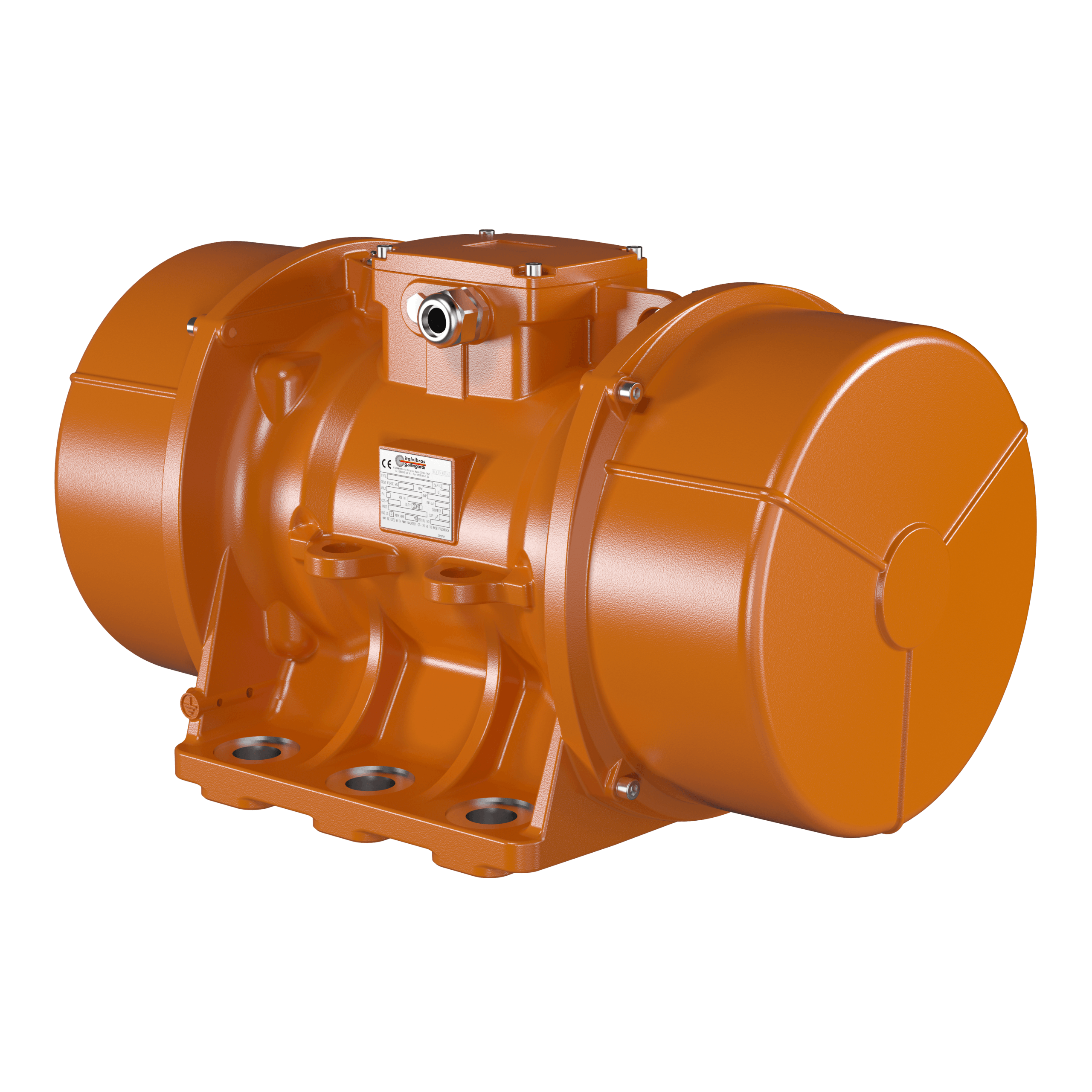
The MVSI-E suits the same applications as the standard MVSI — hoppers and silos, conveyors and chutes, sieves and screens, compaction tables — but its ATEX certification makes it mandatory as soon as the installation is in an explosion-risk area. Four questions are enough to choose the right reference:
1. Gas area or dust area? The MVSI-E is certified II 2GD, so valid for both: zones 1 and 2 (gas) and zones 21 and 22 (combustible dust). A single vibrator motor covers both types of risk if your installation combines them.
2. Which temperature class, T3 or T4? Class T3 allows a higher surface temperature and therefore a higher power; the stricter class T4 imposes a reduced power. The choice depends on the auto-ignition temperature of the gas or dust present — to be confirmed with your design office before ordering, as this parameter cannot be changed afterwards.
3. What centrifugal force is needed? As for a standard MVSI, it depends on the weight of the structure to be vibrated and on the nature of the material. A common sizing rule for a hopper: the centrifugal force required is usually between 1/20 and 1/10 of the weight of material held in the conical section.
4. What speed suits? A 2- or 4-pole gives a fast, fine vibration; a 6- or 8-pole gives a wide, slow vibration, better suited to large structures or materials that are hard to release, with less wear on an installation running continuously.
For installation, electrical connection and maintenance in ATEX areas, see our full guide to the Series E vibrator motors, with detailed technical drawings.
If in doubt, our technical team can help you size the exact reference from your application — get in touch.

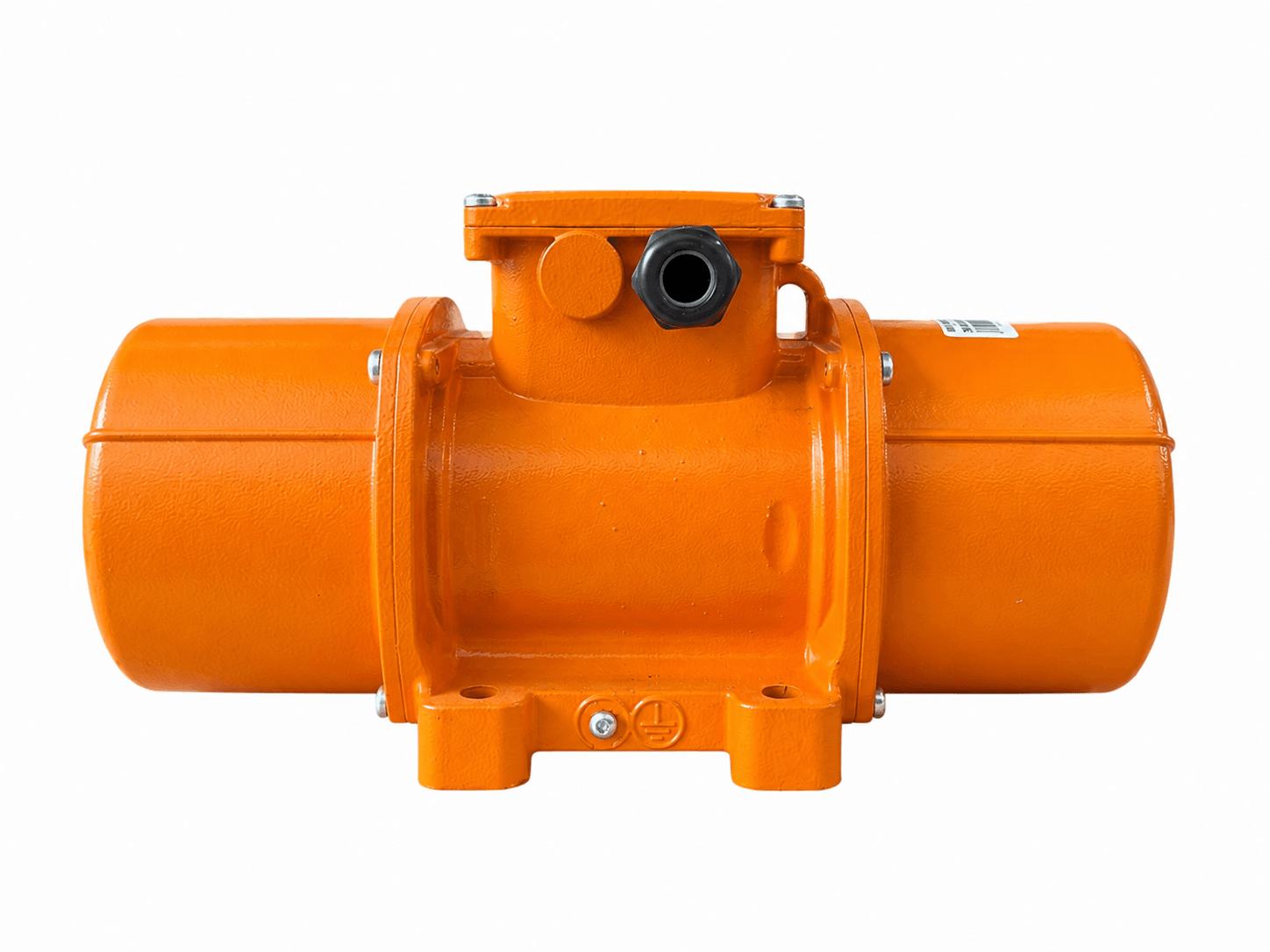 10/200E-S021,80 kN
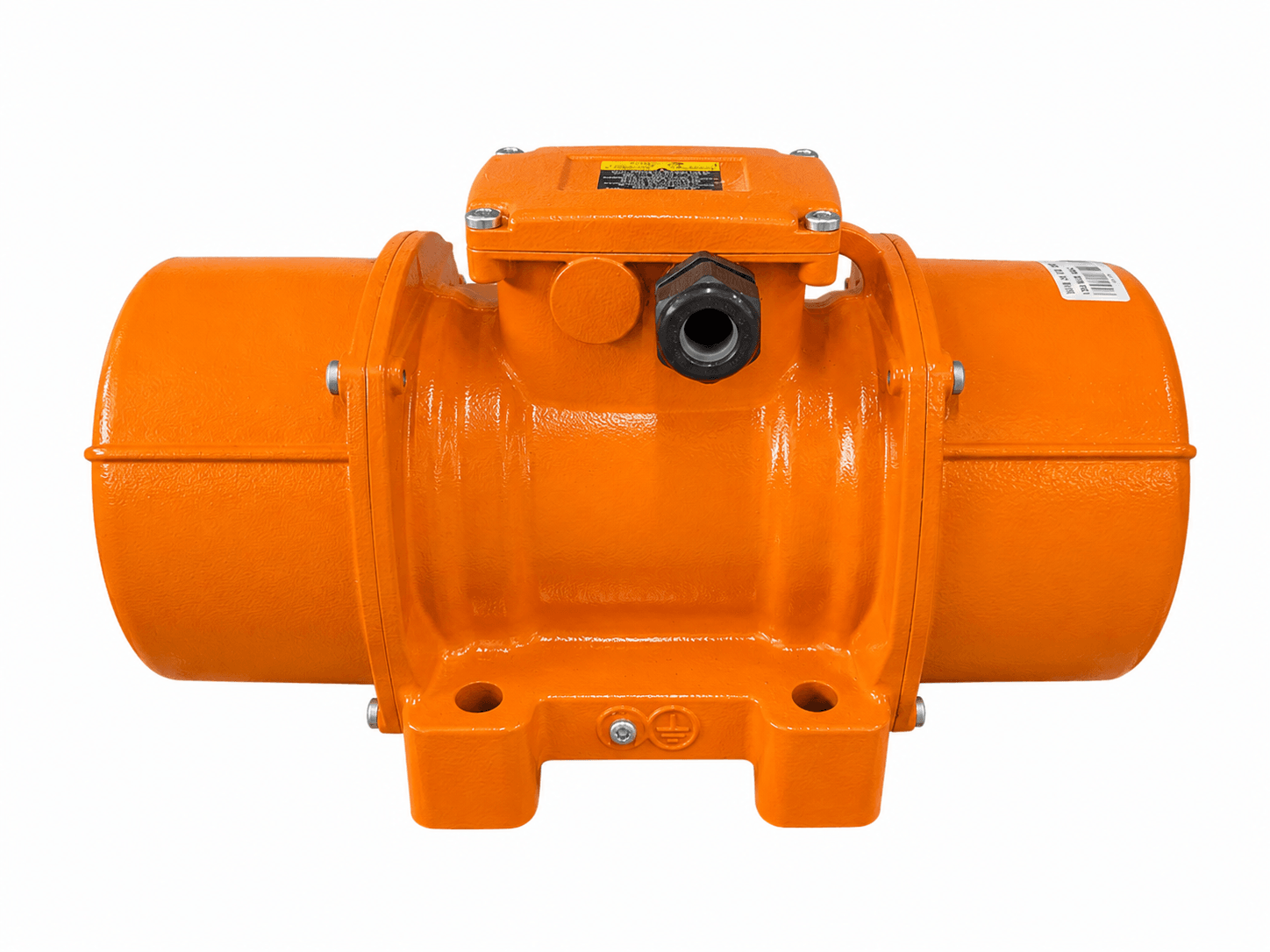 10/310E-S023,15 kN
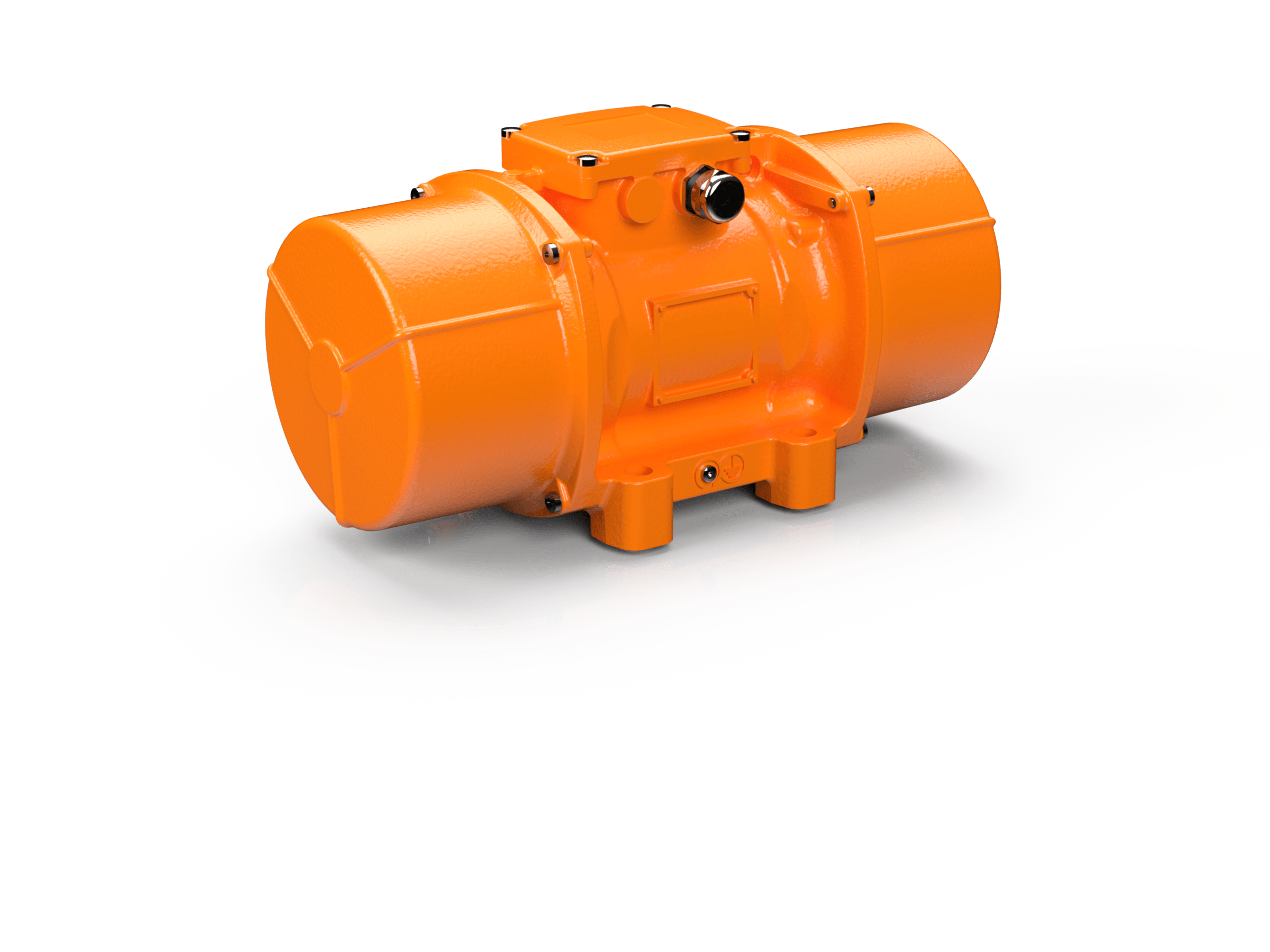 10/550E-S025,02 kN
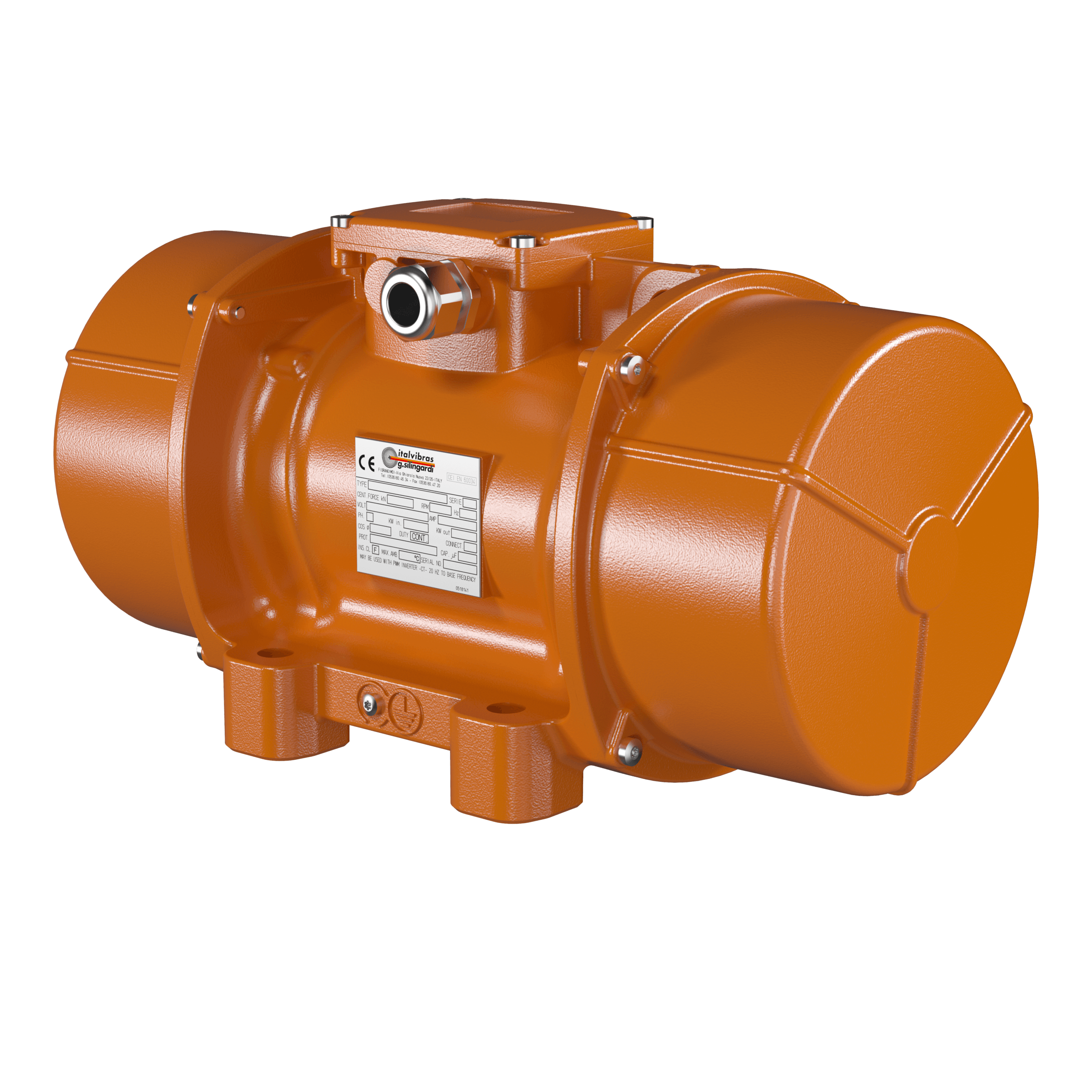 10/810E-S087,94 kN
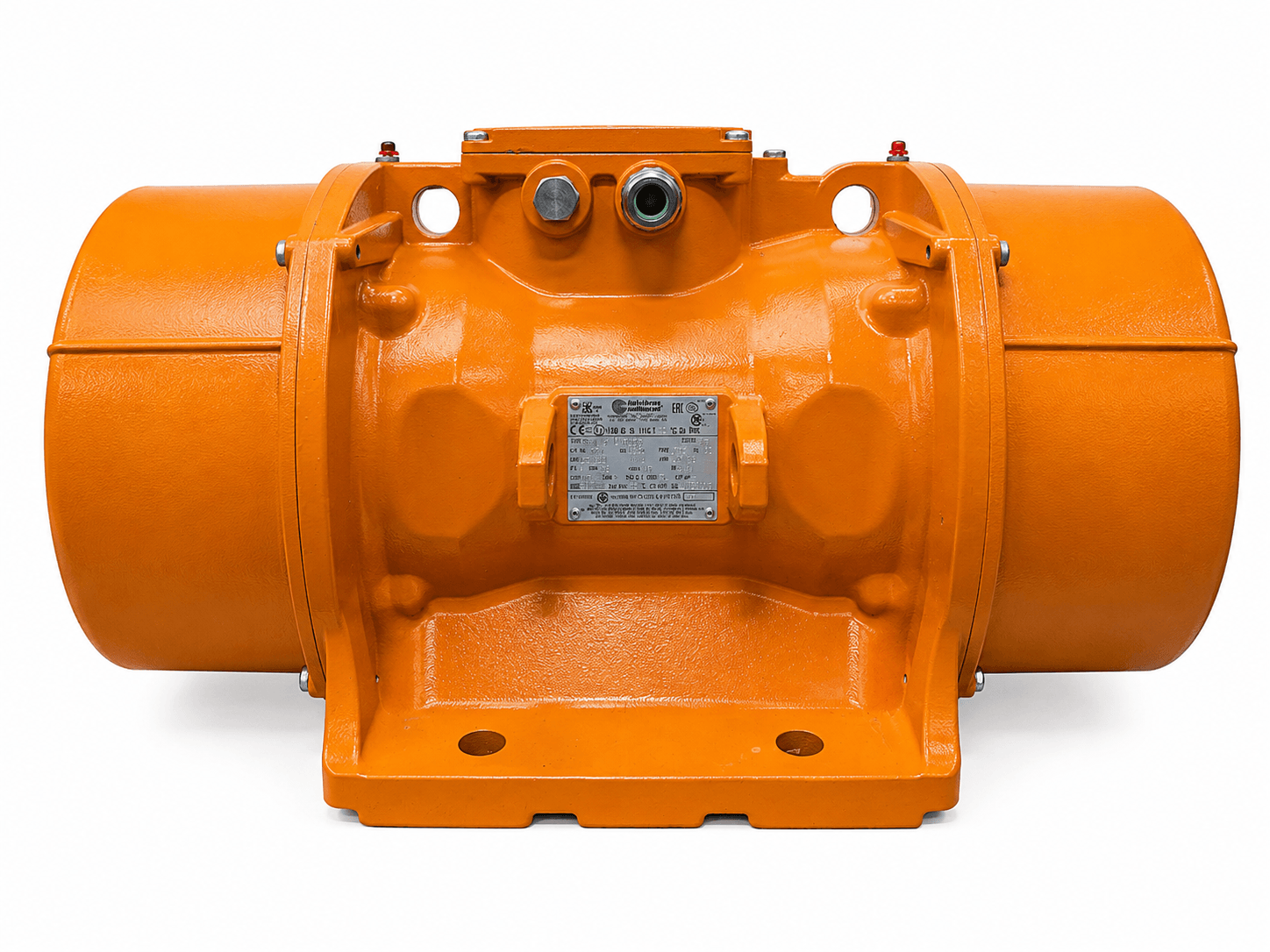 10/1610E-S0816,1 kN
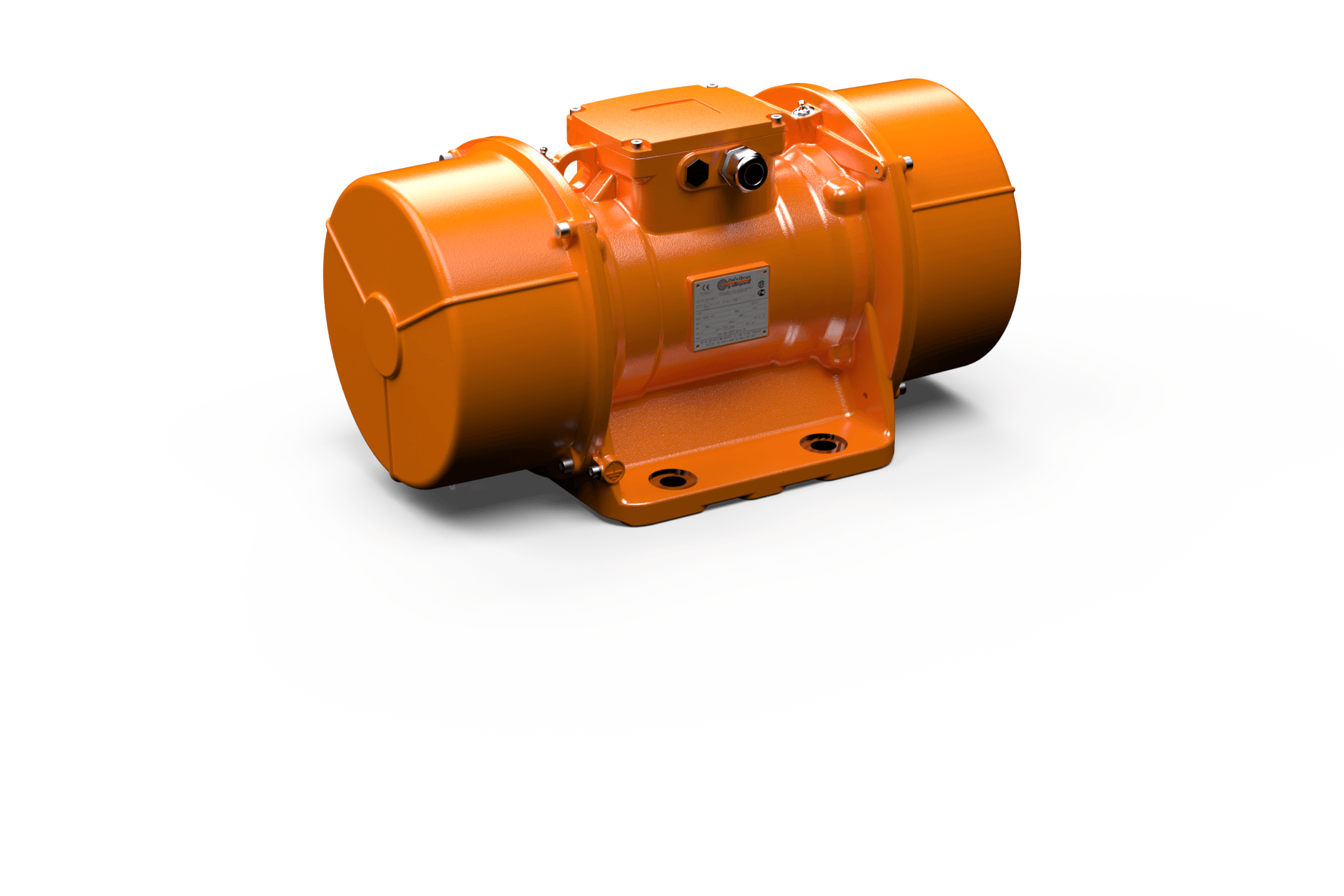 10/2610E-S0225,5 kN
 10/5200E-S0251,1 kN